
The Battery in the Bin Problem Keeps Getting More Dangerous
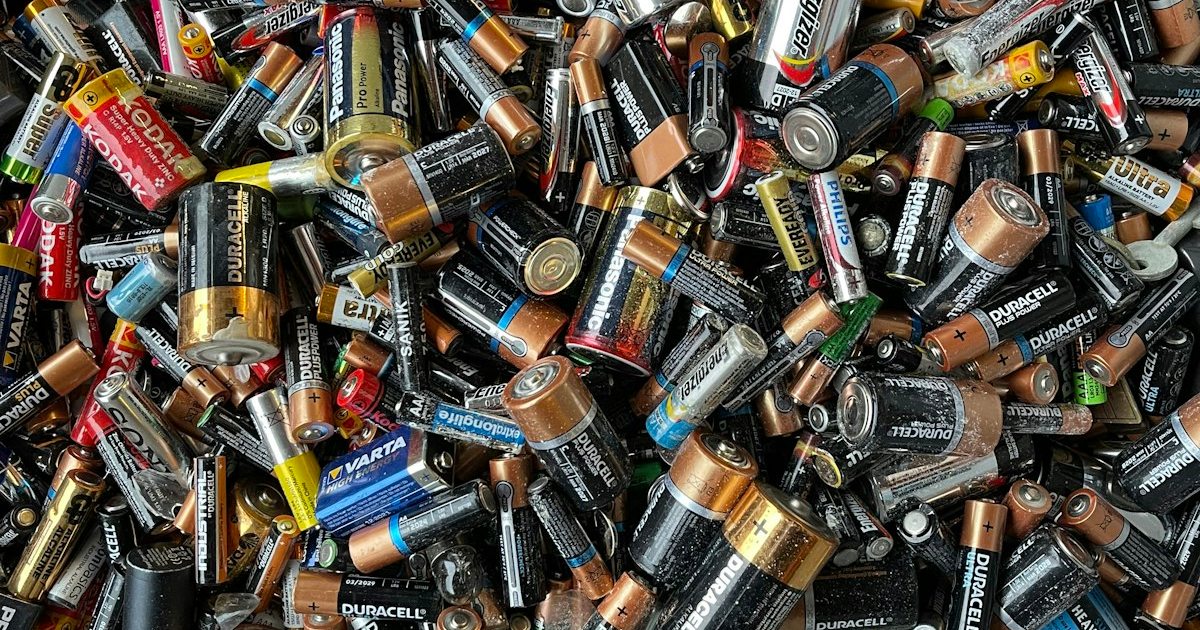
A lot of everyday products now contain batteries, even when they do not look like “electronics.” Wireless earbuds, toys, power tools, vaping devices, scooters, phones, backup chargers, greeting cards, and small household gadgets all rely on compact stored energy. That convenience has created a growing waste problem with a very physical consequence: fires.
Across the waste and recycling industry, lithium ion batteries are one of the most serious safety concerns in the stream. When crushed, punctured, overheated, or damaged during collection and processing, they can spark thermal runaway, a chain reaction that produces intense heat and can ignite nearby material. In a load full of paper, cardboard, plastics, and mixed trash, one battery can start a fast moving fire.

Waste collection truck unloading mixed material
These incidents happen in multiple places: inside curbside carts, in collection trucks, on transfer station floors, inside recycling facilities, and at disposal sites. The danger is not just financial. Fires put drivers, sorters, and firefighters at risk. They damage expensive equipment, interrupt service, and can shut down facilities that communities depend on every day.
Part of the challenge is visibility. A battery hidden inside a toy, a toothbrush, or a damaged device does not announce itself to a resident tossing something into a bin. Many people know large car batteries need special handling, but fewer think about the rechargeable cells tucked inside common consumer products. Even when people do know, proper dropoff options may be inconvenient or poorly advertised.
The waste system was not designed for this volume of embedded energy. Trucks compact loads. Material recovery facilities rely on fast moving conveyor systems and mechanical separation. Landfills are built to manage buried waste, not prevent every ignition event from modern electronics. As more products become cordless, portable, and rechargeable, the mismatch grows.
Policy is starting to respond. Some states and producer responsibility programs are pushing for clearer labeling, safer collection, and better end of life pathways for batteries and devices. Retail take-back programs exist for some products. Local household hazardous waste events help in some regions. But there is still a major last-mile problem between a resident holding a dead device and a safe recovery channel.
This is where communication matters as much as infrastructure. If a disposal rule is buried on a county website, many people will never see it. If the battery is hard to remove, the product design itself becomes part of the waste problem. If a bin sign says “no batteries” but offers no alternative, people may ignore it because the system did not help them finish the job.
A safer future probably depends on several things moving together: better product labeling, more accessible take-back and dropoff options, clearer public education, and better detection in vehicles and facilities. But the most powerful moment may still be the earliest one, when a person decides where an item goes. Better data on disposal behavior, better prompts at the point of decision, and better source-side sorting could prevent a lot of fires before they ever reach the truck.