
Written by Ian Smith Article Date: 2026-09-16
This Sunday, September 20, volunteers around the world will mark World Cleanup Day by collecting litter from streets, parks, shorelines, and other shared spaces. The event is now recognized as an annual United Nations observance, and its organizers say the movement has involved 91 million volunteers across 211 countries and territories since 2018.
That scale is encouraging. It also raises a harder question: what can a cleanup teach us before the bags are hauled away?
The newest national numbers show why that question matters. Keep America Beautiful's 2026 National Litter Study estimates that litter along U.S. roadways and surface waterways declined 34% between 2020 and 2025. Even after that progress, the organization estimates that 35 billion pieces remain across roadways, waterways, and coastal areas. Its study puts the 2025 average at 96 pieces per person, with an estimated 2,204 items per roadway mile and 1,300 per surface-waterway mile.
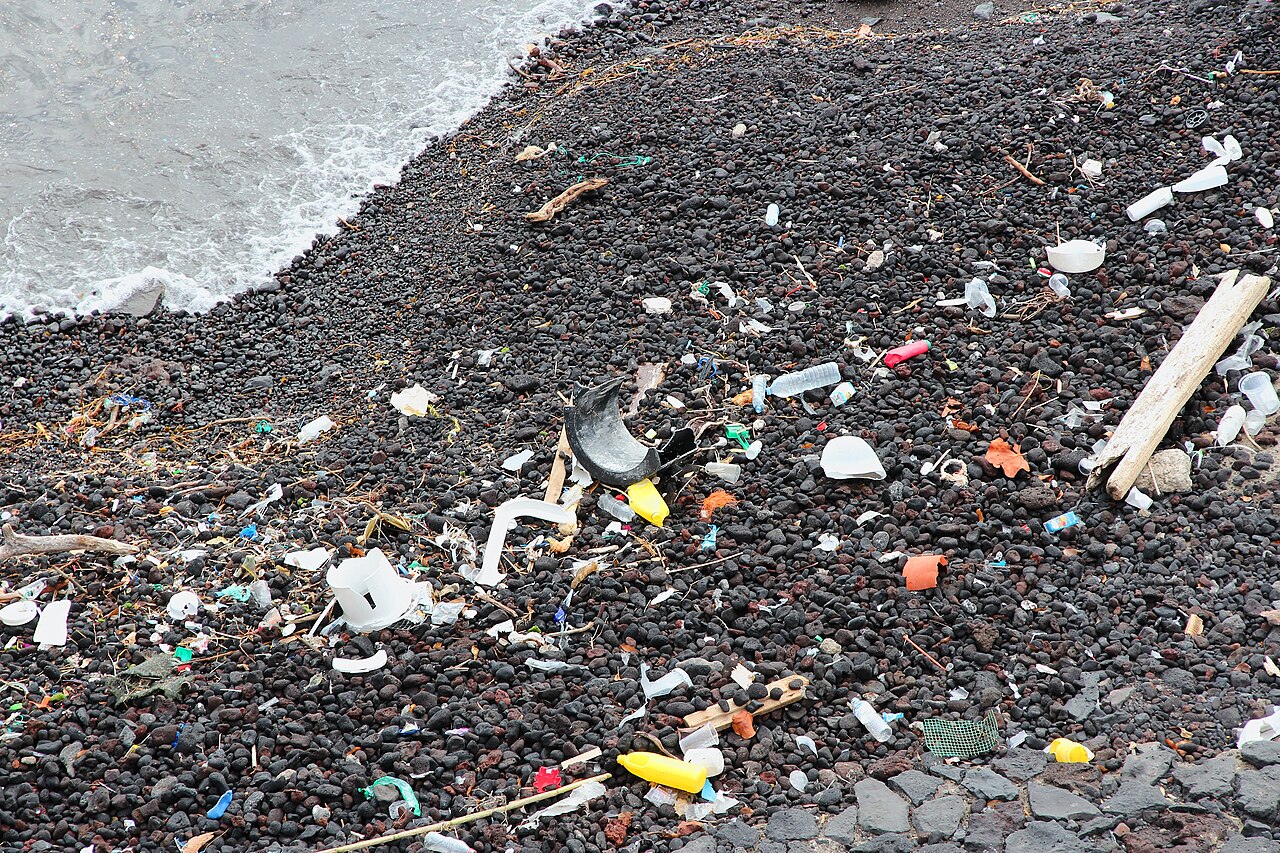
Those are estimates from a national study, not a count of every object in the country. Still, they make the operational problem visible. Litter is not one stream. It can include drink containers, wrappers, cigarette waste, takeout packaging, fragments, and bulky items. Some material was dropped deliberately. Some escaped an overflowing bin, an unsecured load, or a collection system that did not match the way a space was being used.
A cleanup removes the immediate hazard and restores a place people share. The deeper value appears when organizers record what they find and where they find it. Repeated clusters of cups near an arena exit suggest one intervention. Food packaging around a campus lawn suggests another. Bottles gathering beside a transit stop may point to bin placement or service frequency. Without that information, the same cleanup route can become necessary again and again.
This is why litter prevention is also a point-of-disposal design problem. In a crowded venue, school, office complex, or public building, people are usually making a quick choice. A recycling label that requires careful study will lose to the nearest opening. A station that is full, hidden, or inconsistent with the packaging sold nearby can turn a responsible intention into contamination or litter.
The answer is not to treat volunteers as free custodial labor. It is to use cleanup results as evidence. Operators can map hotspots, compare the objects collected with the streams available nearby, adjust servicing, work with vendors on packaging, and give people clearer guidance before an item reaches the ground.
That same feedback loop is central to MyMatR. Coach provides immediate two-stream trash and recycling education while capturing deposit-level waste data. Maestro adds automatic rotation to direct deposits into two customer-configured trash or recycling streams. Those tools do not replace community cleanups, street collection, or specialized recovery programs. They can help shared spaces learn what people are discarding and improve the decision at the bin, where prevention has the best chance to begin.
That wraps up this week's Waste Watch Wednesday. On September 20, picking up litter is worthwhile on its own. Counting it, studying it, and changing the system that produced it can make the effort last longer than one day.
Sources: - [World Cleanup Day, event and movement overview](https://www.worldcleanupday.org/) - [United Nations General Assembly Resolution 78/122 establishing World Cleanup Day](https://docs.un.org/en/A/RES/78/122) - [Keep America Beautiful, 2026 National Litter Study](https://kab.org/litter-study/) - Featured image: ["Beach pollution in Tenerife," Marek Ślusarczyk (Tupungato), CC BY 3.0](https://commons.wikimedia.org/wiki/File:004_Beach_pollution_in_Tenerife_-_Atlantic_Ocean_beach_plastic_garbage_debris.jpg)