

Written by Ian Smith Article Date: 2026-09-02
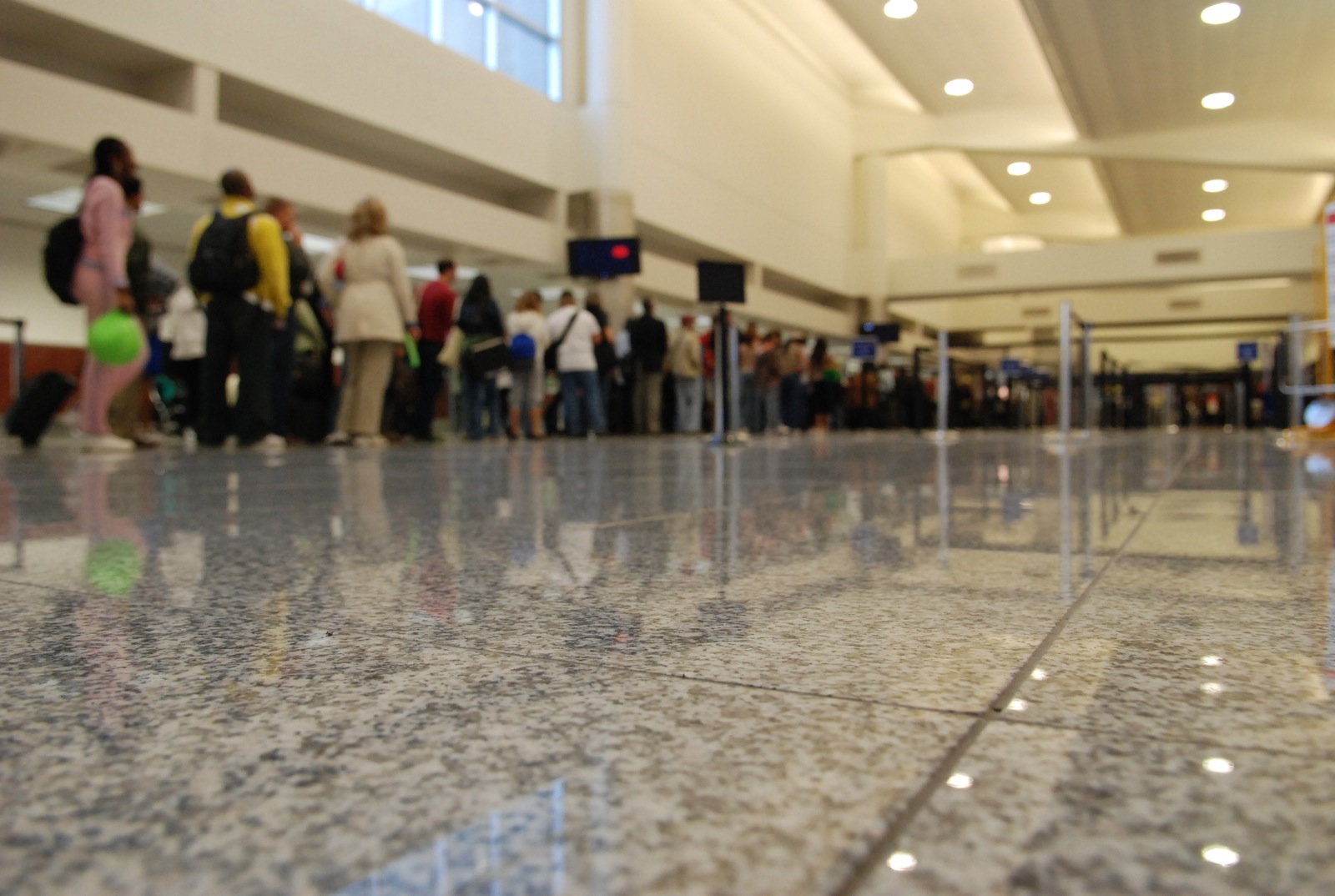
What caught our attention this week is Labor Day travel. AAA's latest holiday booking analysis says flights to top domestic destinations are costing nearly 20% more than last year, and cities like Seattle, Orlando, Boston, Denver, and New York are leading the list. News coverage is already full of advice about when to leave, how to beat the crowds, and how early to get to the airport. That public attention usually focuses on delays and ticket prices. The waste problem hiding inside the terminal gets much less notice.
Airports turn into disposal stress tests during holiday surges because nearly every traveler carries the same kinds of throwaway items through the building at once: coffee cups, plastic bottles, snack wrappers, takeout containers, boarding-pass sleeves, and last-minute purchases from kiosks and newsstands. Add security checkpoints, gate changes, and packed seating areas, and most people are making bin decisions while rushed, distracted, and holding too much.
That matters more than it looks. Port of Seattle says every airport passenger generates nearly half a pound of waste per airport visit. At Seattle-Tacoma International Airport, that added up to around 10,000 tons of municipal solid waste in 2019. The airport says its terminal diversion rate was 41% in 2021, and Port of Seattle reported SEA Airport diverted 49% of waste away from landfills in 2024, moving toward a 60% goal. Those figures are a reminder that a busy airport does not just move people. It also moves a huge stream of mixed material that gets harder to recover once the wrong items land in the wrong bin.
Labor Day makes that challenge sharper because travel compresses into a short window. AAA says the heaviest road congestion is expected on Thursday and Friday, and airports feel a similar pattern of compressed decision-making even if the exact choke points differ by terminal. A traveler finishing a drink before security or tossing a food container while boarding is not pausing for a careful sorting lesson. If the recycling option is confusing, blocked, or contaminated by food and liquids, the fastest choice usually wins.
The operational cost is real even when it does not show up on a boarding pass. Contaminated recycling can become landfill disposal instead. Overflowing stations mean more labor for custodial crews. Mixed streams make it harder for airport operators and concession teams to understand what travelers are actually throwing away and where the system is failing first. The result is more hauling, more cleanup, and less confidence that the recovery program is doing what the signs promise.
That is why airports are useful examples for the broader waste industry. They are public buildings with constant turnover, short dwell times, and shared disposal points that have to work for people who are not reading carefully. The same pattern shows up in stadiums, campuses, office towers, and other high-traffic spaces. When disposal happens in a hurry, the system has to do more of the work.
Better waste data and better source-side guidance can help. If operators can see which stations collect the most traffic, where contamination starts, and what kinds of items keep entering the wrong stream, they can improve placement, servicing, and education before the next rush. MyMatR Coach is designed for that kind of source-side recycling education and deposit-level waste data in shared spaces. Maestro adds automatic rotation between two customer-configured trash or recycling streams when a site needs tighter control at the bin itself. In airports and other crowded public settings, that kind of smart waste bin thinking matters because the sorting decision happens in a second.
That wraps up this week's Waste Watch Wednesday. Labor Day travel is a reminder that waste problems often look like people problems until you watch the bin closely. If shared spaces want cleaner recycling during their busiest periods, they may need better waste data, clearer source-side education, and better sorting help exactly where the item gets dropped.
Sources: - AAA, “Labor Day Travelers Face Higher Costs and Heavy Traffic,” August 23, 2026 - Google News RSS results for Labor Day travel and airports, accessed August 25, 2026 - Port of Seattle, “Let's Talk Trash at SEA,” December 6, 2022 - Port of Seattle, “Port of Seattle Advances Environmental Progress and Sustainability Leadership in 2024,” May 13, 2025 - Featured image: “Atlanta Security Line,” Wikimedia Commons