
Written by Ian Smith Article Date: November 18, 2026
World Toilet Day is Thursday, November 19. The United Nations observance focuses this year on safe sanitation and equal access, but there is also a basic operating question hiding in every restroom: what belongs in the toilet, and what belongs in a waste bin?
Disposable wipes are where that answer often goes wrong. A package may say “flushable,” and a wipe may disappear when the handle is pressed. That does not mean it breaks apart like toilet paper or moves safely through pumps, screens, and treatment equipment.
A Small Choice Becomes a Heavy Problem
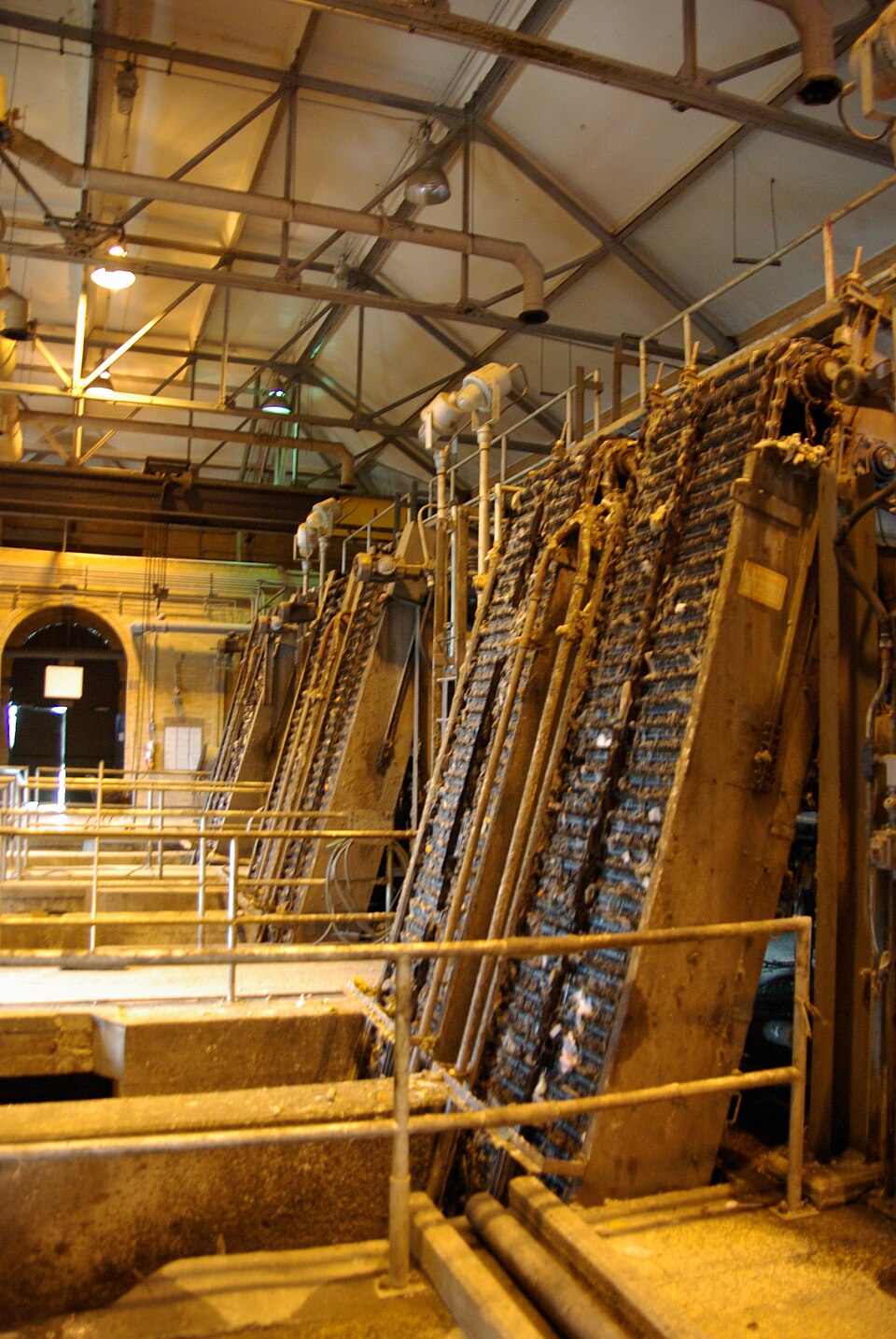
Anchorage Water and Wastewater Utility offered a useful look at the downstream consequences this summer. Its Asplund treatment facility receives about 28 million gallons of wastewater a day. Screens remove between 2,000 and 10,000 pounds of solid material daily, including wipes that combine with hair, fats, oils, and grease.
The resulting tangles are not small. Operators described “rope rags” that can weigh about 150 pounds, with some bundles reaching 600 pounds. Staff inspect the channel two or three times a day and may need a chain hoist to remove the material manually.
The utility estimates that labor and equipment used to remove wipes cost more than $100,000 a year. That is one city’s operating cost, not a national total, but it makes the consequence clear. A wipe that seems to vanish in seconds can return as extra maintenance, damaged equipment, a sewer backup, or a higher cost for ratepayers.
The U.S. Environmental Protection Agency gives a simple rule for septic systems: flush only human waste and toilet paper. Wet wipes and other solid products belong somewhere else, even when the label or familiar habit suggests otherwise.
Restroom Design Is Part of Waste Management
The right decision is easier when the alternative is obvious. Offices, campuses, stadiums, public buildings, and other busy facilities need appropriate waste receptacles, clear instructions, and service schedules that match how the restroom is actually used.
That includes dedicated and discreet containers for menstrual products and other hygiene waste. The need is larger than plumbing protection. The United Nations reports that 3.4 billion people still lack access to safe sanitation and that fewer than one in three schools worldwide have menstrual waste bins in girls’ toilets. Safe facilities depend on access, privacy, cleanliness, and a practical disposal route.
Operators can improve those facilities by studying what repeatedly ends up in the wrong place. Are wipes showing up near toilets with no nearby receptacle? Are paper towels being flushed because the trash is overflowing? Are people confusing a hygiene waste container with recycling? Those patterns can guide better placement, signs, cleaning schedules, and purchasing.
MyMatR’s current products do not manage wastewater, menstrual waste, or other dedicated hygiene streams. They focus on two customer configured trash or recycling streams. Within that scope, Coach can provide immediate recycling education and deposit level waste data, while Maestro adds automatic rotation to direct an item into the configured trash or recycling stream. A smart waste bin is not a sewer solution, but the source side principle is the same: give people a clear answer at the moment of disposal and learn from the mistakes that still happen.
That is the practical takeaway for this week’s Waste Watch Wednesday. Toilets are essential infrastructure, not invisible trash cans. The less uncertainty we leave in the restroom, the less expensive material facilities teams have to remove downstream.
Sources
- United Nations, “World Toilet Day” - Alaska Public Media, “In Anchorage, so-called ‘flushable’ wipes create a clogging, costly problem” - U.S. Environmental Protection Agency, “How to Care for Your Septic System” - Featured image: “Back River Wastewater Treatment Plant Screens” by Kristian Bjornard, CC BY-SA 2.0