

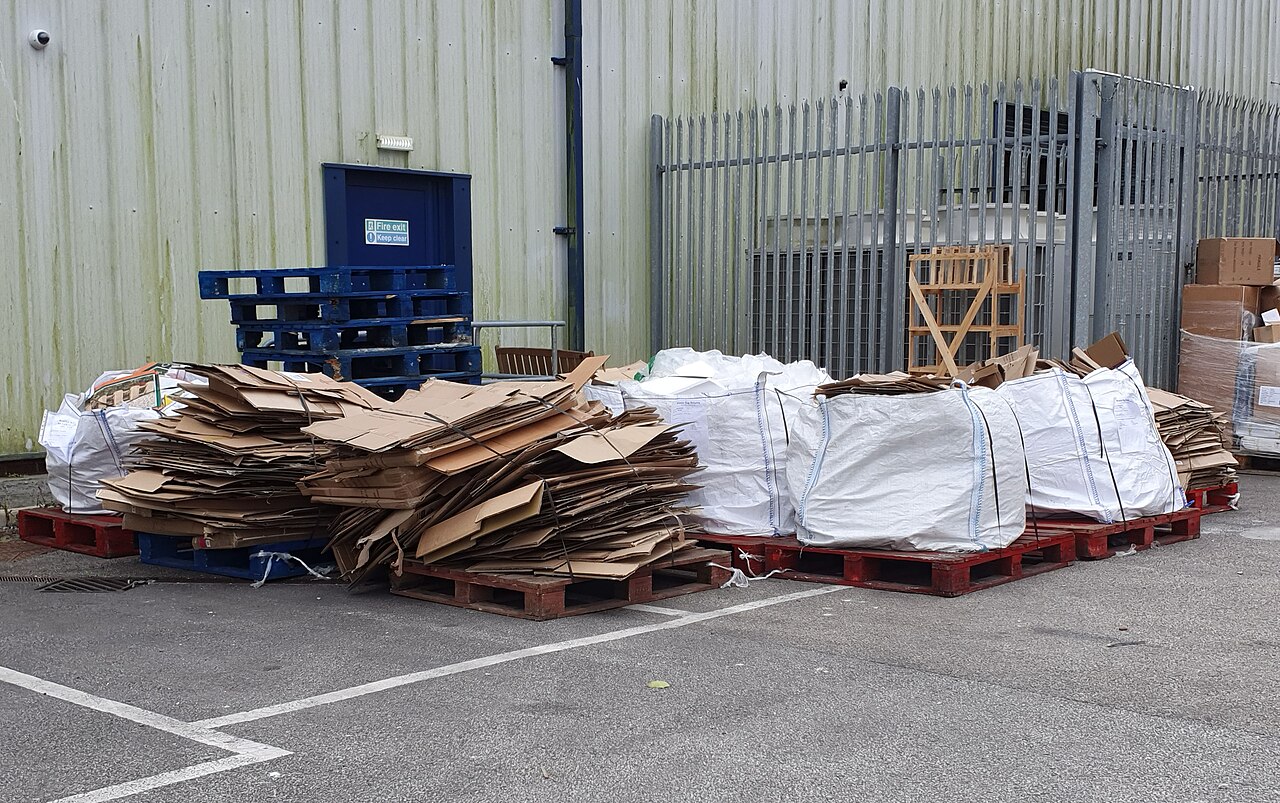
What caught our attention this week isn't a single headline so much as a familiar August pattern: college move-in season is starting again. Families are loading up on storage bins, mini fridges, bedding, desk lamps, cleaning supplies, snacks, and last-minute dorm extras. It feels organized and hopeful in the moment, but from a waste perspective, move-in week also creates a fast, concentrated surge of cardboard, plastic wrap, foam, hangers, broken packaging, and duplicate purchases that shared campus bin systems have to absorb almost immediately.
Colleges are one of the clearest examples of what happens when hundreds or thousands of people make disposal decisions in unfamiliar spaces at the same time. A first-year student may know what they bought, but not which items belong in a campus recycling stream, whether a greasy takeout container is still recyclable, or where bulky packaging should go. When those decisions pile up across residence halls, the result isn't just more trash. It's more contamination, more collection labor, and more missed opportunities to recover material that still had value.
Recent campus data shows how big this flow can get. The University of Kentucky said its 2026 move-out initiative collected 36,355 pounds, or 18.2 tons, of donations and recyclables in a single season, including about 8,000 pounds of mattress toppers for recycling. Tulane said its Trash to Treasure effort diverted 35,000 pounds of goods from the landfill last year. Those figures come from move-out, not move-in, but they show the same underlying reality: campuses cycle through an enormous volume of usable goods, packaging, and soft materials in a very short window.
Move-in creates a different version of the same problem. Instead of students leaving behind household items, everyone arrives at once with boxed, bagged, and overpacked goods. Some of it's recyclable if sorted correctly. Some of it isn't. Some of it becomes waste almost instantly because the item inside was the wrong size, already duplicated by a roommate, or never really needed in the first place. In a dorm or student center, those materials usually hit the bin before anyone has much time to think.
There's a real operations cost to that confusion. Overflow around residence hall dumpsters means more staff time and more pickups.
Mixed loads reduce the quality of recyclables.
Wet food containers or drink waste can spoil otherwise recoverable cardboard.
Bulky items dumped in the wrong place can slow move-in traffic, create safety issues, and turn a manageable recycling stream into straight disposal.
On a busy campus, that adds up quickly.
This is also why college waste isn't just a student behavior story; it's a system design story. If the right disposal option is too far away, poorly labeled, or inconsistent from building to building, people will default to the fastest choice. If a campus wants cleaner recycling during move-in, it has to make the correct choice obvious at the exact point where students unwrap, unpack, and toss.
That's where better waste data and better recycling education start to matter. If a school can see which bins are collecting the most cardboard, where contamination is happening, and what students are actually throwing away during move-in week, it can respond with sharper signage, better staffing, and better collection layouts instead of guesswork. In shared spaces like residence halls, student unions, and academic buildings, a smart waste bin approach can help make those disposal decisions more visible.
MyMatR Coach fits that kind of two-stream education and waste data need, and Maestro adds automatic rotation between two customer-configured trash or recycling streams when a site needs more control at the point of disposal.
That wraps up this week's Waste Watch Wednesday. College move-in should feel exciting, not wasteful! But if campuses want that excitement without the usual August pileup, they may need better source-side information, clearer recycling education, and better decisions at the bin before all that packaging disappears into the stream.
Sources: - University of Kentucky UKNow, "UK Recycling sets record with more than 18 tons collected during move-out," July 13, 2026 - Tulane Campus Services, "2026 Campus Move-out Initiative," accessed August 4, 2026