

Written by Ian Article Date: 2026-08-19
What caught our attention this week is the return of college football. Google Trends and Google News are both filling up with season-preview coverage, tailgating guides, and game-day updates as campuses move toward Week 1. NCAA coverage is already framing the playoff race and 2026 season calendar, while schools and local outlets are pushing fans to plan for the first big Saturday crowds of the fall. That annual excitement is easy to recognize. The waste pressure that comes with it is easier to miss.
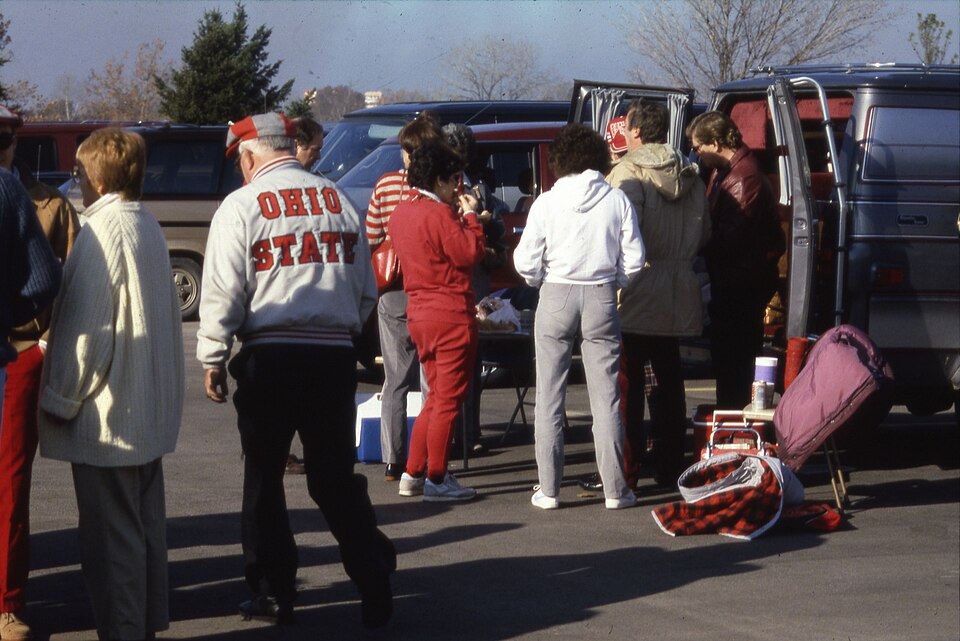
College football creates a disposal problem because it starts long before kickoff. Tailgating means drinks, takeout, grills, ice bags, cardboard cases, disposable plates, cups, condiment packaging, and leftovers all hitting the waste stream before most fans even reach the stadium gate. Then the concourse adds another layer: beverage containers, food trays, napkins, and service packaging moving through bins during short, crowded windows when people are focused on the game instead of sorting.
The scale is what makes those fast decisions matter. NCAA.com is already showing the 2026 FBS season moving into Week 1, which means the sport is about to push thousands of simultaneous game-day gatherings across the country. At the stadium level, even one venue can mean a six-figure crowd. Ohio Stadium lists a capacity of more than 100,000 people. A single wrong-bin decision does not seem important in that setting, but repeated across a parking lot, a fan zone, and a packed concourse, it quickly becomes contamination, overflow, and extra labor.
This year there is also a clear sign that the off-field footprint keeps expanding. In current August coverage, Colorado promoted a new football street-party concept called Ralphie's Road outside home games. That kind of activation makes sense from a fan-experience standpoint, but it also widens the waste map. More gathering space means more food-service packaging, more beverage consumption, more temporary setup materials, and more places where people need a disposal choice that is obvious in a second.
That second is the whole issue. Stadium and tailgate waste is not difficult because people are unwilling to recycle. It is difficult because people are moving, carrying items, watching crowds, finding friends, and trying not to miss kickoff. If a recycling stream requires pause-and-read effort, many fans will default to the fastest available bin. Once liquids, food scraps, and mixed packaging enter the wrong stream, the cost is not only a messier lot. It is lower-quality recyclables, more cleanup work, and less confidence in what a venue actually recovered.
This is why college football kickoff is a useful case study for the broader waste industry. It combines seasonal excitement, high-volume packaging, short decision windows, and unfamiliar or temporary disposal setups. The same pattern shows up at fairs, festivals, campuses, and public events, but football Saturdays make it especially visible. Waste systems succeed in those environments when they reduce thinking at the point of disposal, not when they depend on perfect behavior after a long day.
That is where source-side education and better waste data start to matter. If operators can see which stations collect the heaviest traffic, where contamination shows up first, and which streams are filling fastest, they can adjust placement, signage, and servicing before the problem spreads. MyMatR Coach is built for that kind of source-side recycling education and deposit-level waste data in shared spaces. Maestro adds automatic rotation between two customer-configured trash or recycling streams when a site needs tighter control at the bin itself. In a stadium district, campus fan zone, or tailgate corridor, those tools can help operators manage the decision moment instead of reacting after the crowd moves on.
That wraps up this week's Waste Watch Wednesday. College football kickoff feels like the start of the season, but from a waste perspective it is also the start of a concentrated fall surge. If venues want cleaner recycling and fewer costly mistakes, they may need better source-side guidance, smarter bin placement, and more visibility into what fans are actually throwing away.
Sources: - NCAA.com, "How the College Football Playoff works: Schedule, selections, rankings, byes and more," accessed August 18, 2026 - Google News RSS results for college football tailgating, accessed August 18, 2026 - Google Trends Trending Searches RSS, United States, accessed August 18, 2026 - Ohio State Buckeyes, Ohio Stadium venue information, accessed August 18, 2026