


For years, people were told that donating unwanted clothes was the easy answer. If a shirt no longer fit or a pair of jeans wore thin, someone else could use them. Sometimes that is still true. But the scale and quality of modern textile waste have changed enough that many reuse and resale systems are under pressure.
Fast fashion is part of the story. Clothes are often produced more quickly, sold more cheaply, and worn fewer times than in the past. At the same time, many garments now blend fibers in ways that are hard to recycle. A cotton polyester mix may be comfortable and inexpensive, but it can be difficult to separate into useful feedstocks later. Add stains, damage, low durability, and changing trends, and a large share of unwanted clothing has very limited next life options.
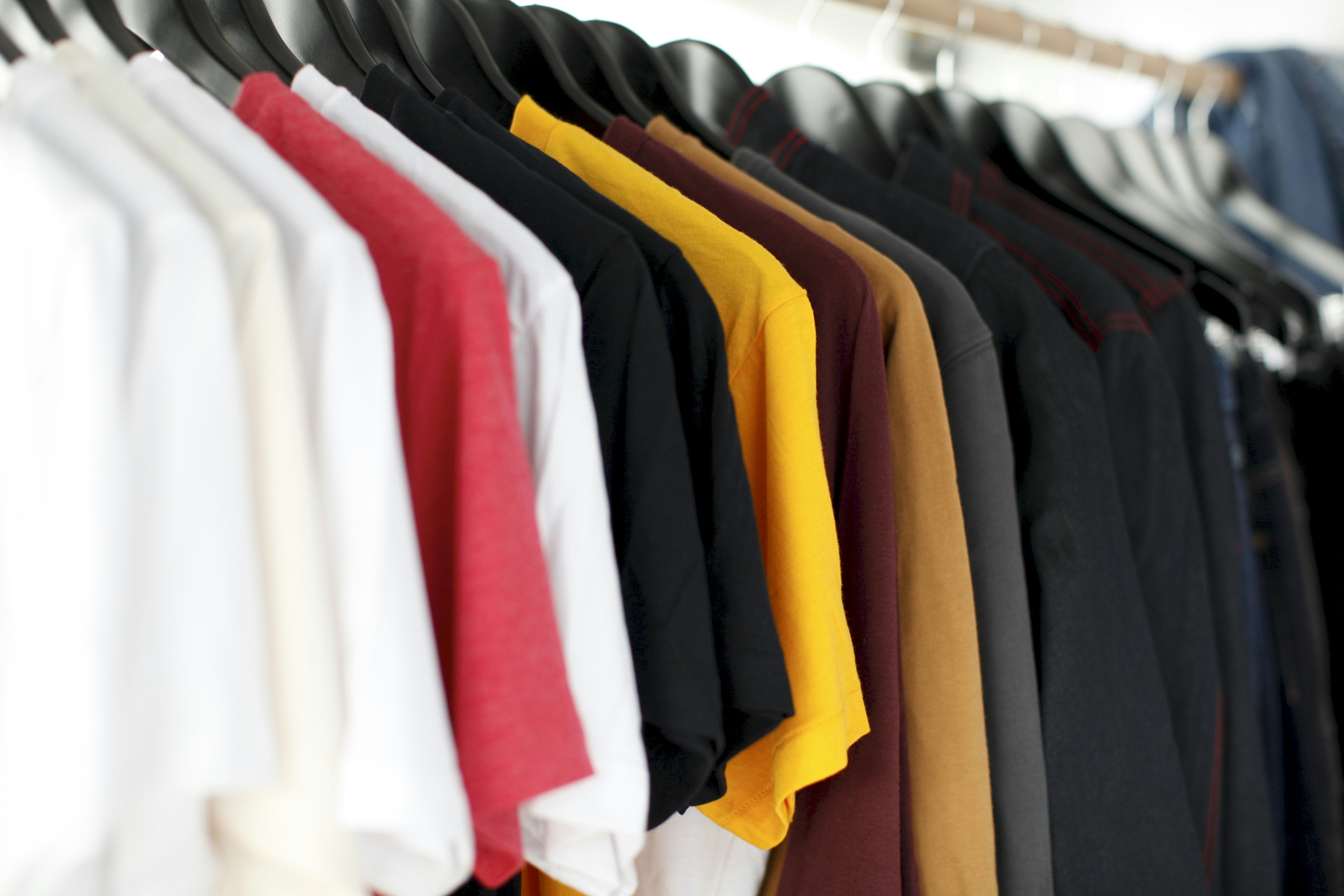
Rows of secondhand clothing in a donation center
That creates a mismatch between what people think happens after donation and what actually happens. A well kept coat may be resold locally. A portion of donations may move through secondary markets. Some textiles become wiping rags or insulation. But heavily worn, low value, or hard-to-process garments can pile up faster than organizations can sort and place them. In some cases, they end up exported, downcycled, stockpiled, or discarded.
This is becoming a broader waste issue because textiles are bulky, visible, and increasingly common in disposal streams. Unlike bottles or cans, clothing carries an emotional layer. People do not like throwing away something that still looks usable. That discomfort can lead to hopeful donation, but hope is not the same as a functioning recovery system.
There are also hidden environmental costs. Textile production uses water, energy, chemicals, land, and transport. When a garment is worn briefly and then discarded, those inputs are concentrated into a very short useful life. The waste question is not only what to do at the end. It is also why so many items reach the end so quickly.
Some policymakers and brands are beginning to explore extended producer responsibility, repair, take-back programs, digital product passports, and fiber-to-fiber recycling technologies. Those ideas may help over time, especially if they create more accountability for product design and end of life management. But most communities still do not have a simple, trusted, local answer for worn-out textiles that are not suitable for resale.
That is why textile waste is a good reminder that disposal behavior starts much earlier than the bin. It starts with design, labeling, purchasing, care, and expectations about longevity. If a shirt is difficult to repair, impossible to recycle, and cheaply replaced, the waste system inherits a problem it did not create.
The more useful path may be to connect better information across the chain. People need clearer guidance on what can truly be donated, reused, repaired, or recycled. Operators need better visibility into what kinds of textiles are showing up and in what condition. And if we want less clothing to become waste, better education and better sorting at the source may matter just as much as what happens at the end of the line.