

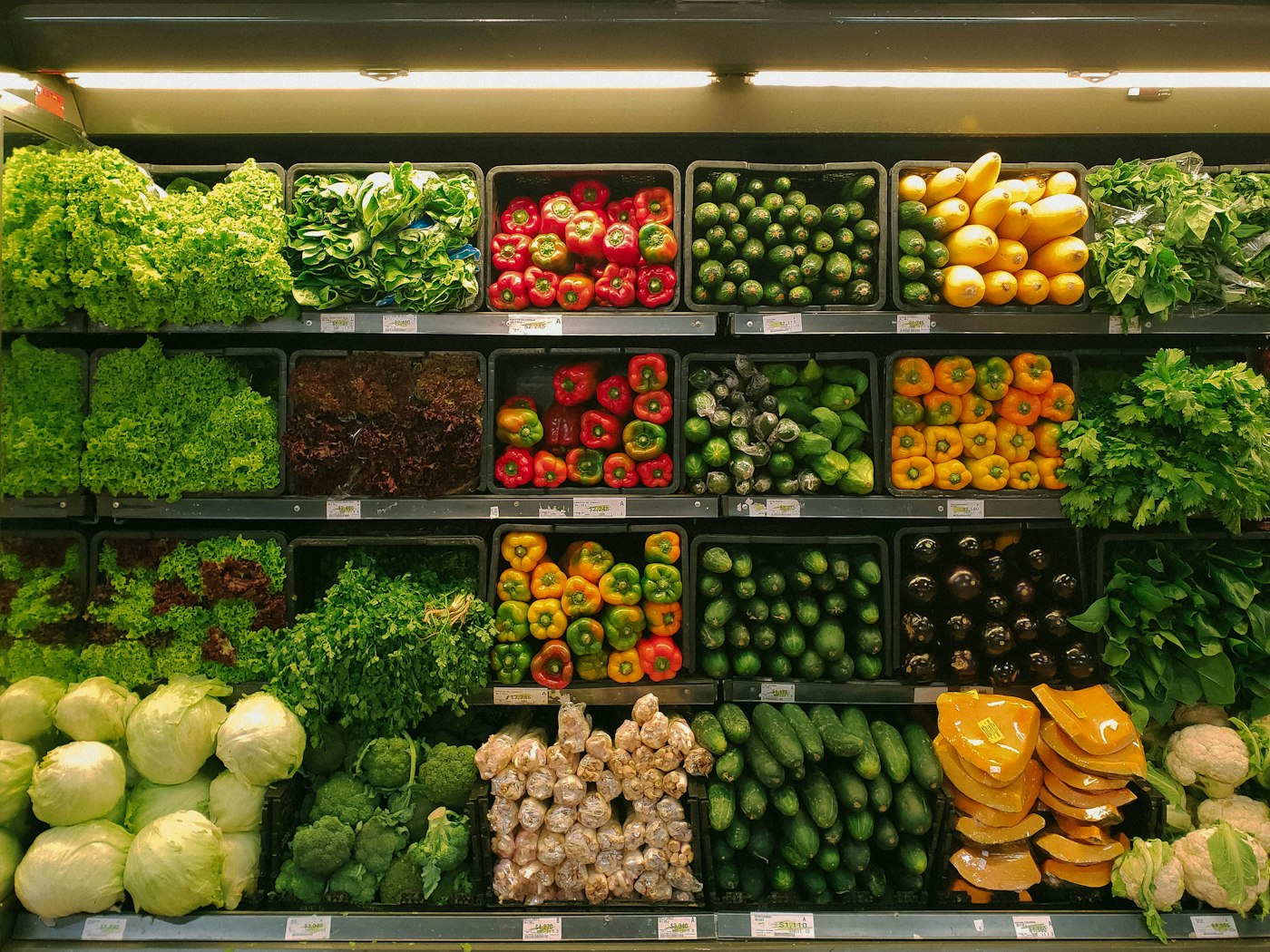
When people hear the phrase food waste, they usually picture leftovers scraped into the trash, produce going bad in the fridge, or restaurants tossing unused ingredients at the end of the day. All of that is true, but the bigger story begins after the bag leaves the building.
Food waste is not just a wastefulness issue. It is also a landfill gas issue.
Once food is buried in a landfill, it breaks down without much oxygen. That process produces methane, a powerful greenhouse gas. Landfills can capture part of that gas, and many do, but capture is not perfect. Some methane escapes before systems collect it, and some continues to leak over time. That means every bag of wasted food carries a climate cost long after it disappears from view.
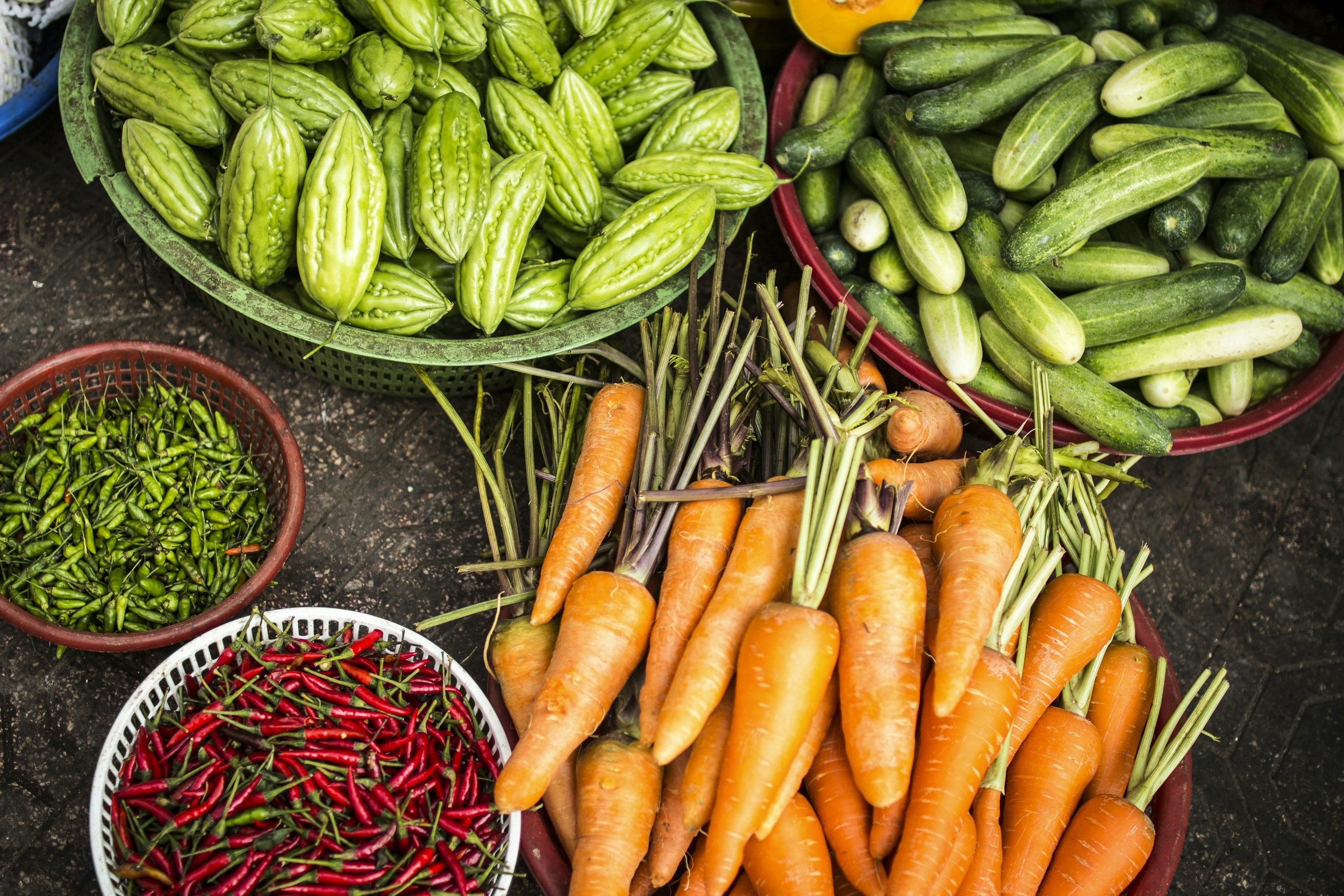
Compost pile with visible organics breakdown
This is one reason food waste has moved from a kitchen problem to a public policy problem. Cities, states, haulers, and facility operators are paying closer attention to organics collection, composting, anaerobic digestion, and other ways to keep food scraps out of the landfill. Some areas now require large generators like grocery stores, campuses, or institutions to separate organics. Others are still in the earlier stage of figuring out how to build the collection and processing infrastructure.
For households and businesses, that transition is not simple. Food scraps are wet, heavy, and messy. They attract pests if bins are poorly managed. They can contaminate recycling when people are unsure which stream to use. Compostable packaging adds another layer of confusion because not every “compostable” item is accepted by every organics processor. A product label may suggest one thing while a local program requires another.
That gap between policy and practice matters. Organics diversion looks easy on paper, but real world participation depends on daily habits. Do people know what counts as food waste? Are collection bins placed where decisions actually happen? Are signs specific enough to reduce mistakes? Are processors prepared for the mix of material they receive?
The answers vary, and that is why food waste remains stubborn. It is generated everywhere: homes, offices, schools, hospitals, hotels, stadiums, and restaurants. Unlike a single product category, it does not come from one industry. It comes from ordinary life. Fixing it requires both infrastructure and behavior change.
There is a practical upside to getting it right. Reducing food waste upstream saves money on purchasing and disposal. Separating organics well can cut contamination in other streams. Compost and digested organics can return value to soils or energy systems rather than becoming long term landfill emissions. But that upside depends on source separation that is clean enough to support the next step.
The lesson is simple. Food waste is not only about what we throw away. It is about where we throw it, what happens after pickup, and whether the system gave us a fair chance to sort it correctly. Better outcomes will probably come from better prompts and better feedback at the point of disposal, where people can still make a different choice before scraps become methane.