

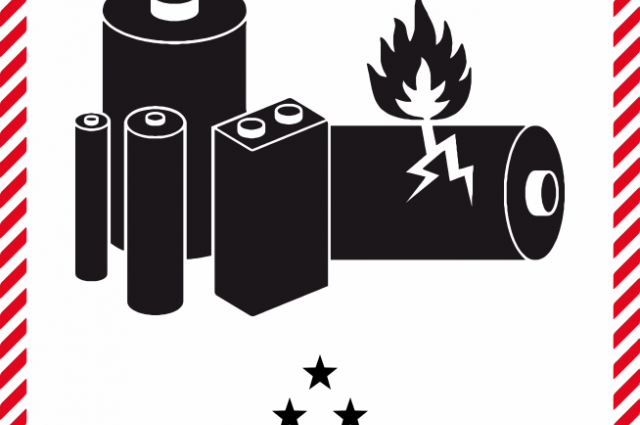
This week, we are looking at a waste problem that is small enough to fit in a junk drawer but serious enough to shut down recycling lines, damage trucks, and put workers in danger: lithium-ion batteries ending up in the wrong bin.
These batteries power an enormous share of modern life. They sit inside phones, laptops, earbuds, power tools, e-bikes, vacuums, toys, and a growing list of household gadgets. They are useful because they pack a lot of energy into a small space. That same feature is also what makes them risky when they are crushed, punctured, overheated, or improperly stored in the waste stream.
According to EPA guidance updated this year, lithium-ion batteries and devices containing them should not go into household trash or curbside recycling carts. When they do, they can be damaged during collection or sorting, creating a fire hazard inside trucks, transfer stations, and material recovery facilities. That matters more now because the volume of rechargeable batteries in circulation keeps rising right alongside our appetite for portable electronics and battery-powered equipment.
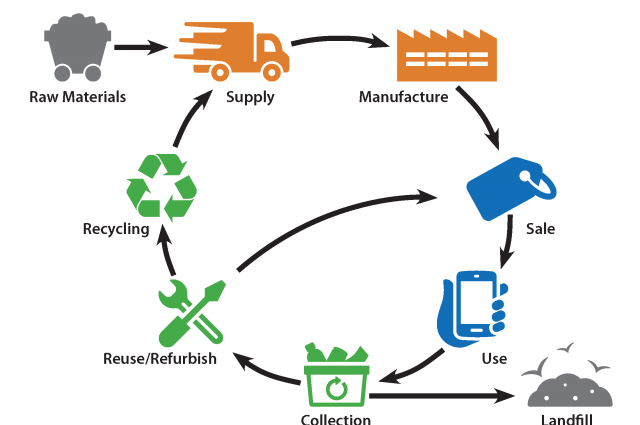
What makes this issue frustrating is that it is not just a technical failure. It is also a behavior problem. Most people are trying to do the right thing. A dead rechargeable battery feels recyclable, and in a broad sense it is. But recyclable does not mean safe in the blue bin. In practice, batteries need a different path entirely, usually through a retailer takeback program, a household hazardous waste collection site, or a dedicated battery recycler.
That difference between intent and reality is where the waste system gets into trouble. A single battery buried in paper or plastic may look harmless at the curb. Later, after it is compacted in a truck or hit by fast sorting equipment, it can spark. Even if the fire is small, operations slow down, loads can be rejected, equipment may be damaged, and workers have to respond to a hazard they did not create.
There is also a bigger resource story here. EPA notes that lithium-ion batteries contain materials such as lithium, cobalt, and graphite that are strategically important and increasingly valuable. When batteries are tossed into the trash, we do not just increase fire risk. We also lose materials that could have been recovered and put back into the economy.
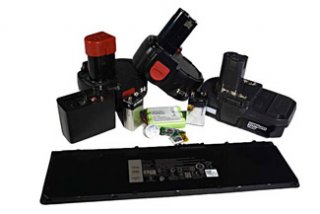
For everyday households, the practical takeaway is pretty simple. If an item charges with a cord or contains a rechargeable battery, it deserves a second look before it goes in any bin. The safe move is to separate it, tape the terminals when appropriate, and take it to a battery or electronics collection point instead of treating it like ordinary recycling.
The harder takeaway is for the system itself. Battery risk is a reminder that waste streams are getting more complicated, not less. As products become smarter, smaller, and more energy-dense, disposal rules become less intuitive for the average person. That means better outcomes will likely depend on clearer labeling, better public education, and better ways to capture information at the point where people decide what goes where.
If we want cleaner recycling and fewer facility fires, we may need to get better not only at recovering materials after the fact, but at guiding sorting decisions right at the source, before one small battery turns into a much bigger problem.
Sources
U.S. EPA guidance on used lithium-ion batteries, updated March 2026
U.S. EPA materials on lithium-ion batteries in the waste stream and battery fire prevention