

Written by Ian Smith Article Date: 2026-09-30
Welcome back to Waste Watch Wednesday. This week, a clever build from ForgeCore offers a glimpse of how quickly artificial intelligence is moving from a screen into the physical world.
Watch ForgeCore's YouTube Short, “I made my dumpster recycle for me. ChatGPT #ChatGPT_Partner.” The creator used ChatGPT while making a dumpster that recycles for him. It is fun, ambitious, and worth seeing—not because it settles the waste-sorting problem, but because it shows how AI can help more people attempt projects that once felt out of reach.
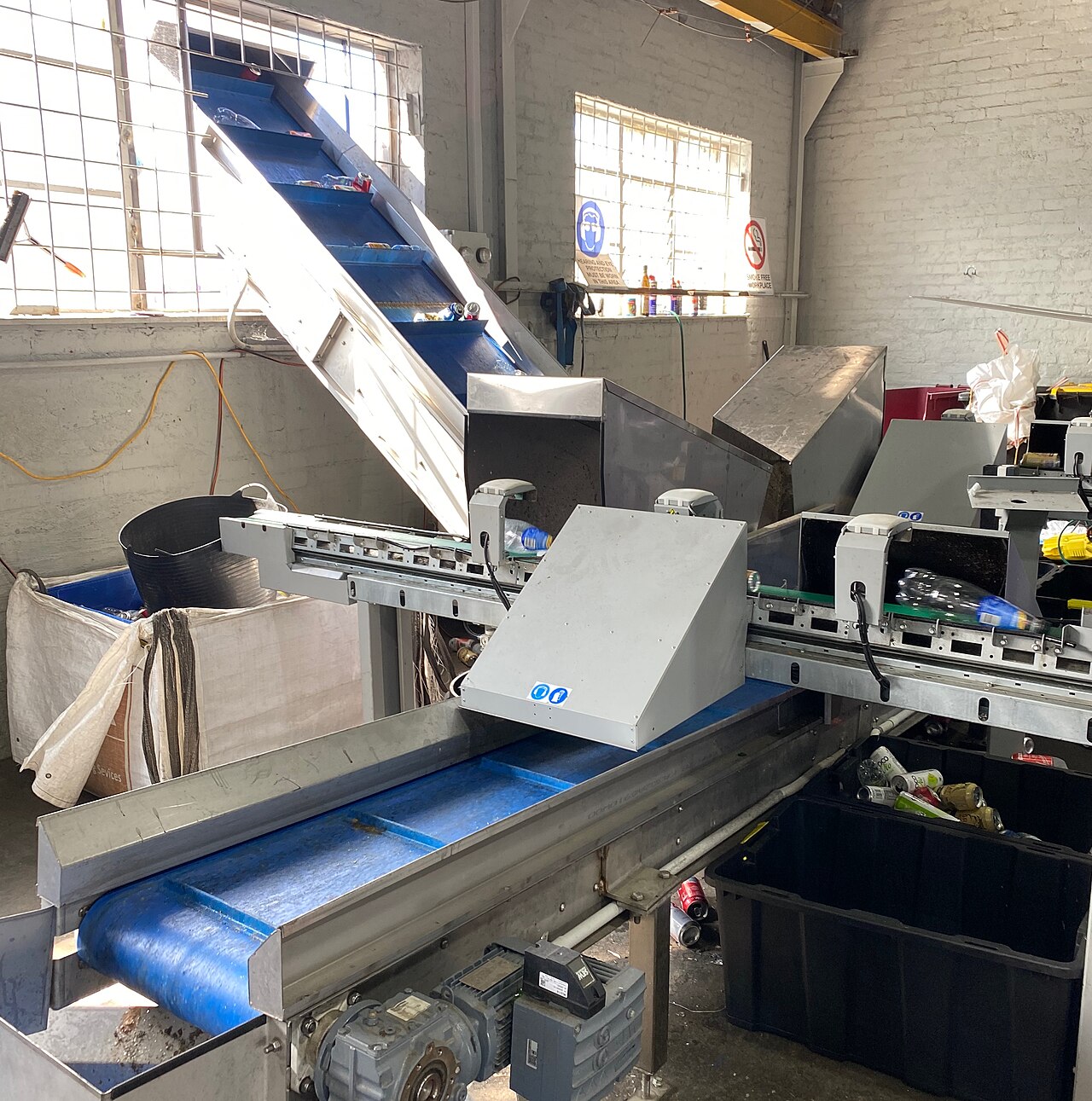
AI Waste Sorting Has to Work Beyond the Demo
A successful prototype is an exciting starting point. A useful waste system has to repeat the right decision through thousands of ordinary, messy deposits.
The scale helps explain why. According to the U.S. Environmental Protection Agency's latest national materials dataset, the United States generated 292.4 million tons of municipal solid waste in 2018. About 69 million tons were recycled, while more than 146 million tons—half of the total—were landfilled. Those figures describe an entire national system, not the performance of any one bin, but they show how much rides on everyday disposal choices.
In a shared space, the object arriving at a bin may be crushed, partly covered, still holding liquid, or presented at an odd angle. Packaging changes. Local recycling rules differ. Two items that look similar may belong in different streams because of their material, contents, or the rules of the customer-configured program. Identification is only the first question.
The next question is what happens after an item is identified. Does the user receive immediate, understandable recycling education? If the site uses two trash or recycling streams, can the system direct the deposit correctly? Does it record what happened so an operator can see recurring mistakes, changing material patterns, or a location that needs better signs and service?
That last part—deposit-level waste data—turns a clever action into operational feedback. A stadium, school, office, or public building does not only need a machine to make one good move. It needs evidence that the system remains useful during a lunch rush, after a packaging change, and across repeated use. Reliability includes the less glamorous work: maintaining equipment, handling edge cases, measuring results, and improving the experience when the data shows people are confused.
Building the Whole Source-Side System
ForgeCore's Short is exciting because it makes the possibility visible. AI can help people design, troubleshoot, and build physical systems, and that lowers the barrier for more inventors to explore AI waste sorting.
MyMatR has been working for several years on the broader system around that same possibility: AI-assisted waste identification, source-side education, waste data, and automatic sorting. Coach provides two-stream education and waste visibility without mechanical sorting. Maestro adds automatic rotation to direct deposits into two customer-configured trash or recycling streams.
The goal is not simply to prove that AI can sort an item once. It is to build a useful, repeatable system for real shared disposal environments. That is why it is genuinely exciting to watch the wider world discover an idea MyMatR understood early: identification, education, data, and routing work best when they are treated as one connected problem.
That wraps up this week's Waste Watch Wednesday. Watch ForgeCore's build, enjoy the ingenuity, and keep an eye on what comes next. The age of the AI smart waste bin is no longer just a thought experiment—and MyMatR is proud to have spent years doing the hard work behind the headline.
Sources: - ForgeCore, “I made my dumpster recycle for me. ChatGPT #ChatGPT_Partner”: https://www.youtube.com/shorts/M1rouw8WHpg - U.S. Environmental Protection Agency, “National Overview: Facts and Figures on Materials, Wastes and Recycling”: https://www.epa.gov/facts-and-figures-about-materials-waste-and-recycling/national-overview-facts-and-figures-materials - The Recycling Partnership, “2026 State of Recycling Report”: https://recyclingpartnership.org/residential-recycling-report/ - Featured image: “Recycling sorting conveyor belts” by Sgroey, CC BY-SA 4.0: https://commons.wikimedia.org/wiki/File:Recycling_sorting_conveyor_belts.jpg