

Written by Ian Smith Article Date: 2026-09-23
Next Tuesday, September 29, is the United Nations' International Day of Awareness of Food Loss and Waste. The name is a mouthful, but the question behind it is simple: how much food do we grow, buy, prepare, and then never eat?
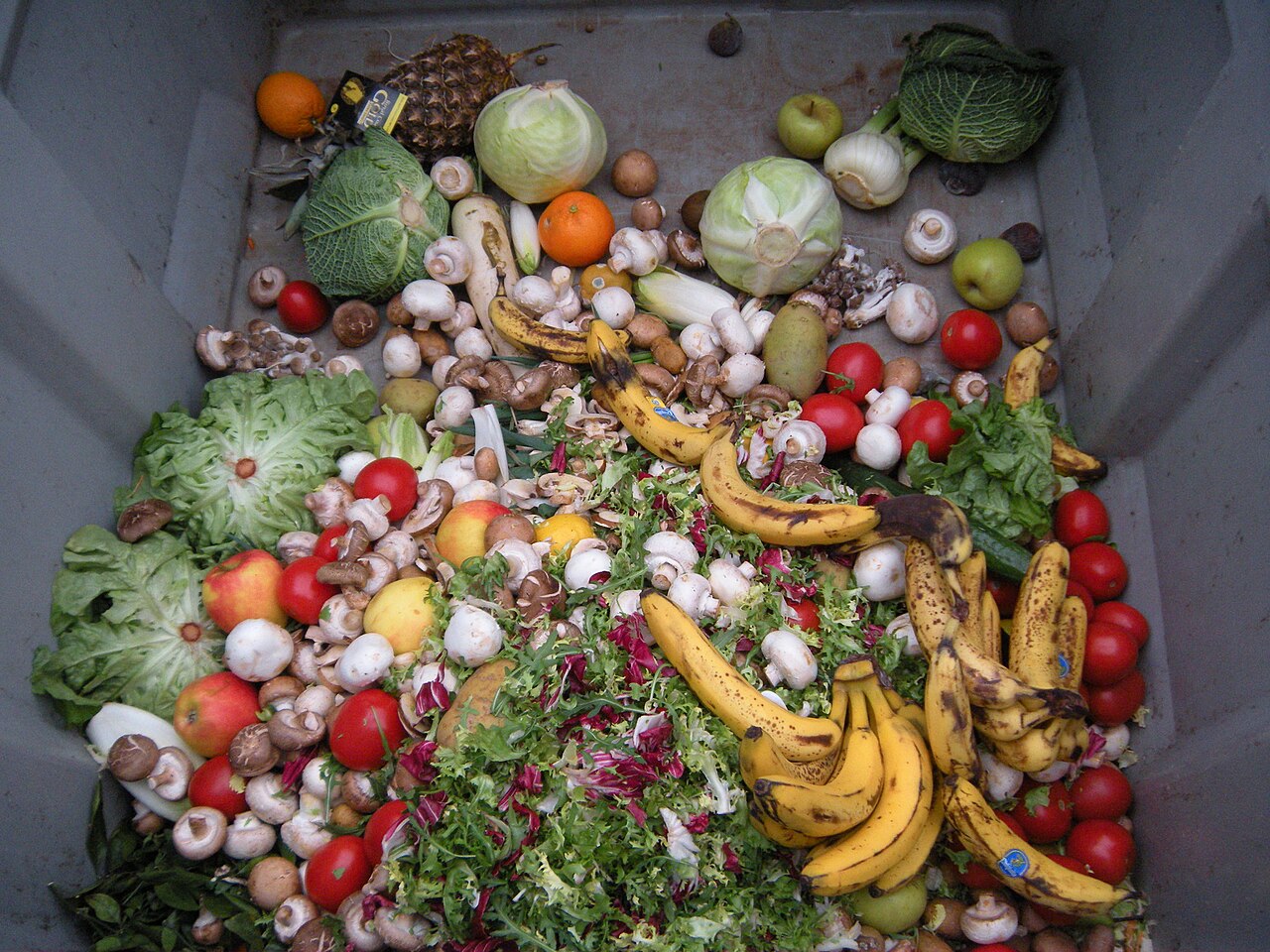
The latest global estimate is difficult to picture. The UN Environment Programme's Food Waste Index says 1.05 billion metric tons of food were wasted in 2022 at the retail, food-service, and household levels. That was almost one-fifth of the food available to consumers. Households accounted for 60% of the total, food service for 28%, and retail for 12%.
This is not only a kitchen problem. Schools prepare meals before they know exactly how many students will eat. Stadiums and event venues have to serve large crowds in short windows. Offices order for meetings that change at the last minute. Cafeterias balance speed, choice, safety, and unpredictable demand. At every one of those sites, unused food also arrives at the bin alongside cups, wrappers, trays, utensils, and containers.
The financial loss starts before collection. UNEP estimates the annual cost of food loss and waste to the global economy at roughly $1 trillion. For an organization, the bill is layered: purchasing food that is not eaten, paying labor and energy to prepare it, buying packaging, and then paying again to handle and haul what remains. The exact mix differs by site, but the wasted purchase is only the first cost.
Where the leftovers go matters too. The U.S. Environmental Protection Agency says food makes up about 24% of material disposed in municipal solid waste landfills. Because it breaks down quickly without oxygen, landfilled food is responsible for an estimated 58% of fugitive methane emissions from those landfills. Preventing surplus is the strongest move. Donation and other recovery paths can keep edible food in use, while composting or anaerobic digestion may be appropriate for scraps where those programs exist.
The bin is where a complicated system becomes a quick decision. A half-full takeout box may contain food, fiber, plastic film, and a fork. If a dining area offers only trash and recycling, the food can contaminate material that might otherwise be recovered. If a separate organics program exists, look-alike packaging can contaminate that stream instead. Labels and accepted materials vary locally, so a recycling symbol alone is not enough guidance.
Operators can learn more by measuring before they redesign. Kitchen teams can track overproduction. Dining teams can study plate waste. Facilities teams can map which stations overflow, which items are repeatedly misplaced, and whether the available streams match what vendors actually sell. That evidence supports practical changes to purchasing, portioning, packaging, signs, bin placement, and service schedules.
MyMatR's current products focus on two customer-configured trash or recycling streams, not food or organics. Within that scope, Coach provides immediate two-stream recycling education and deposit-level waste data, while Maestro adds automatic rotation to direct an item into the configured stream. Those tools do not replace a food donation or composting program. They can help a shared space understand disposal behavior around the food and packaging it serves, then improve the source-side decision where trash and recycling are getting mixed.
That is our takeaway for this week's Waste Watch Wednesday: a billion-ton problem is built from ordinary choices made all along the chain. The best response begins by preventing edible food from becoming waste, then giving everything left a clear, locally correct path.
Sources: - [United Nations, International Day of Awareness of Food Loss and Waste](https://www.un.org/en/observances/end-food-waste-day) - [UN Environment Programme, Food Waste Index Report 2024](https://www.unep.org/resources/publication/food-waste-index-report-2024) - [UN Environment Programme, "World squanders over 1 billion meals a day," March 27, 2024](https://www.unep.org/news-and-stories/press-release/world-squanders-over-1-billion-meals-day-un-report) - [U.S. EPA, "Quantifying Methane Emissions from Landfilled Food Waste"](https://www.epa.gov/land-research/quantifying-methane-emissions-landfilled-food-waste) - Featured image: ["Trashed vegetables in Luxembourg," OpenIDUser2, GFDL](https://commons.wikimedia.org/wiki/File:Trashed_vegetables_in_Luxembourg.jpeg)