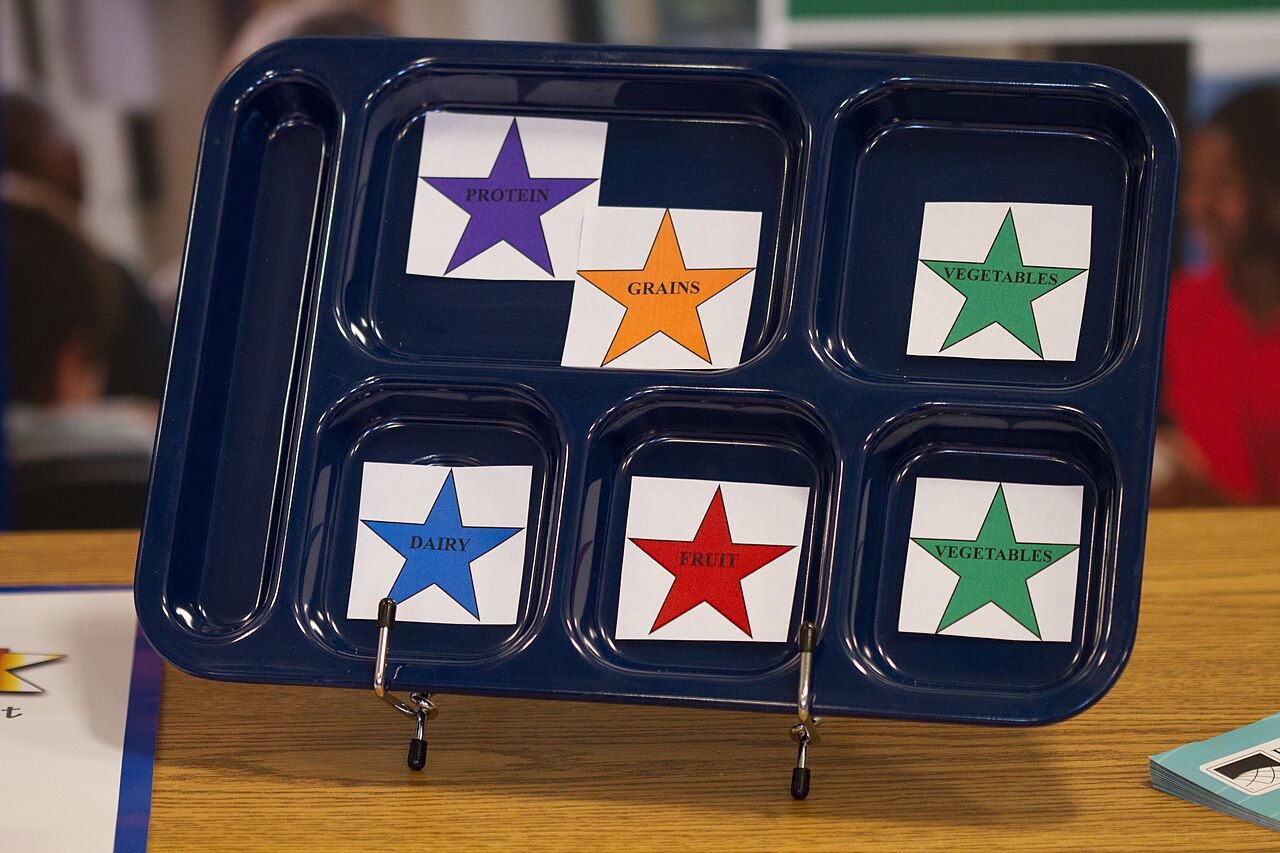
Fifth-grade students tasting school foods in a cafeteria
Written by Ian Smith July 29, 2026
Back-to-school season usually means conversations about supply lists, schedules, new teachers, and lunch prices. In Wake County, North Carolina, it is also creating a timely conversation about what happens to unopened food after it lands on a cafeteria tray.
WUNC recently reported on SHARE, short for Stop Hunger and Restore Earth, a food recovery program created by the nonprofit Toward Zero Waste with Wake County Public School System. Students can place qualifying unopened food in collection carts so another student can eat it instead of watching it disappear into the trash.
The program began with eight pilot schools in spring 2025 and has grown to 37 schools, with more waiting to join. Early data suggest each participating school recovers about 41 food items per day. If that average holds across all 37 schools, that is roughly 1,500 unopened items redirected during a single school day.
That is a practical response to two problems that are usually discussed separately: hunger and waste. WUNC reported that about one in five children in North Carolina does not get enough to eat. At the same time, the U.S. Environmental Protection Agency says more than one-third of food in the United States is never eaten, and food reaches landfills in greater quantities than any other material in the municipal solid waste stream.
The financial side is just as hard to ignore. An EPA report estimates that wasted food costs the average U.S. consumer $728 each year. For a household of four, the estimated annual cost is $2,913. Schools buy and serve food on a different scale, but the underlying lesson is the same: throwing away edible food also throws away the money, labor, packaging, transportation, and energy used to put it on the tray.
Food recovery is not as simple as placing another container beside the trash can. SHARE accepts unopened items supplied through school nutrition services, while opened food, food brought from home, and certain temperature-controlled products remain restricted. Those safety rules matter. They also show why a cafeteria needs clear choices before students reach the disposal station.
After reusable food has been recovered, the remaining tray can still contain liquids, wrappers, recyclable packaging, compostable food scraps, and landfill waste. When those materials all enter the same opening, the school loses information and recovery options. Staff are left with a mixed stream, contamination is harder to diagnose, and education becomes another sign on the wall that students may not notice.
Once edible food has been recovered, schools still face a familiar trash and recycling problem. Students make quick decisions about bottles, cans, wrappers, trays, and other packaging, while facilities teams often lack clear data about what is being discarded or where sorting breaks down. Three capabilities can make that moment more useful: deposit-level data collection, educational feedback at the source, and automatic rotation that directs an item into the proper trash or recycling stream.
Those are the areas where MyMatR is focused today. Coach is a two-stream educational smart waste bin that identifies deposits, provides immediate feedback, and records waste activity for review in the MyMatR Portal. Maestro adds automatic rotation, directing each deposit into one of two customer-configured trash or recycling streams while creating the same kind of visual waste record. That combination can help a school see contamination patterns, reinforce the right disposal behavior, and make better decisions about signage, placement, and collection.
Food and organics remain an important future direction for smarter waste systems. For now, the immediate opportunity is to pair strong food-recovery programs with better handling of the trash and recycling that remains. Schools looking for more useful waste data, source-side recycling education, or an automatic sorting waste bin can explore how MyMatR turns rushed disposal decisions into visible, actionable information.
The most useful back-to-school waste programs will not begin with technology alone. They will begin by preventing waste, recovering safe food, and making the remaining disposal choices obvious. Smarter cafeteria sorting matters when it helps schools turn thousands of lunchtime decisions into better habits and better evidence.
Sources: - WUNC and North Carolina Health News, "Turning school food waste into hunger relief," July 24, 2026 - U.S. Environmental Protection Agency, "Estimating the Cost of Food Waste to American Consumers," updated March 18, 2026 - Wake County Government, South Wake Landfill information - Lead image: USDA Food and Nutrition Service via Wikimedia Commons, public domain